health
AAAF Launches Free Health Insurance for Ijebu Rural Communities

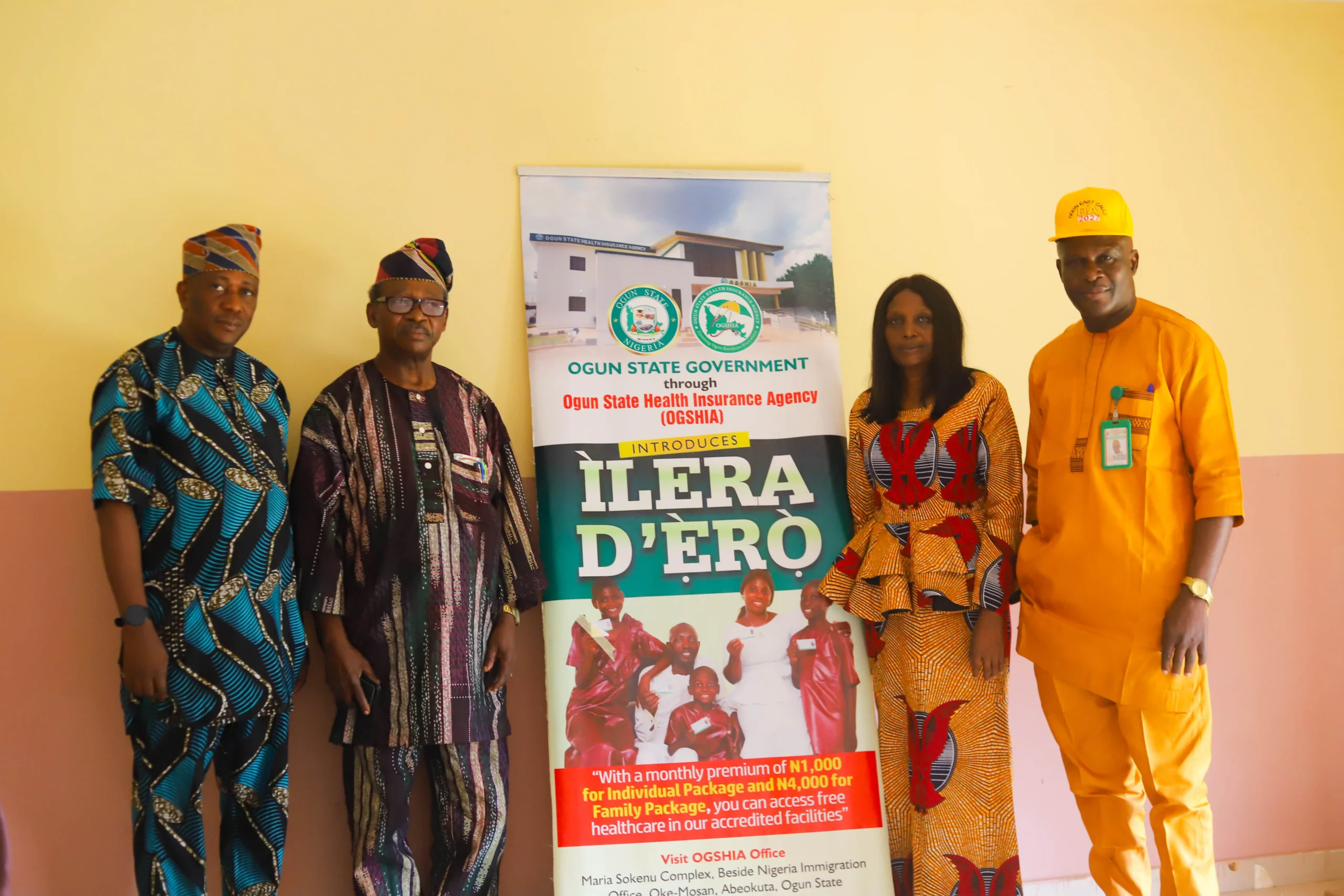
The Ajoke Ayisat Afolabi Foundation (AAAF), the philanthropic arm of SIFAX Group, has launched a free health insurance programme targeting rural communities in Ijebu.
In the first phase of the initiative, 60 residents from ten villages – including Isade, Ajowa, Idomila, Iken, Igbogila, Rasonwa, Ilefon, Ileshe, Sanyindo, and Idomowo – were enrolled. The launch took place at the 400-seater community hall funded by Dr Taiwo Afolabi, Chairman of SIFAX Group.
Why it Matters
Many rural residents in Ijebu previously underutilised nearby health facilities due to financial barriers. Mrs Foluke Ademokun, AAAF’s Executive Coordinator, explained that the programme aims to remove this obstacle.
“Dr Afolabi observed that a health facility he donated in Isade was being underused because many residents could not afford medical bills,” Ademokun said. “This scheme allows elderly and vulnerable residents to access healthcare services without financial burden.”
The initiative aligns with ongoing efforts by AAAF and SIFAX Group to support rural development through healthcare, education, and community infrastructure.
Community and Government Reactions
Hon Foluso Badejo, Chairman of Ogun North East Local Government, welcomed the initiative. He highlighted Dr Afolabi’s past contributions, which include donations of markets, schools, football fields, ICT centres, and medical facilities.
Chief M S Odunuga, the village head of Isade, praised the health insurance programme as “timely and impactful,” noting the benefits it brings to residents’ health and well-being.
Otunba Major General Odunsin (Rtd), who oversees AAAF’s community development projects locally, emphasized the transparent selection process and efficient issuance of health cards by the Ogun State Health Insurance Agency (OGSHIA).
“This collaboration ensures the initiative is managed with care and integrity,” he said.
Impact on Residents and Healthcare Access
The programme is expected to reduce out-of-pocket healthcare expenses and improve utilisation of rural health facilities. Plans for further phases are already underway, potentially extending coverage to more communities.
About AAAF:
The Ajoke Ayisat Afolabi Foundation is the philanthropic arm of SIFAX Group, focused on improving lives through healthcare, education, community development, and social welfare interventions, especially in under-served Nigerian communities.



People with albinism (PWA) in Nigeria are facing an increasing risk of skin cancer, the Albinism Association of Nigeria (AAN), Bayelsa State Chapter, has said, calling for urgent action to close gaps in care.
The appeal comes as the global cancer community marks World Cancer Day on 4 February, themed “United by Unique”, which focuses on inclusive and patient-centred cancer care.
According to the association, people with albinism are especially vulnerable because they lack melanin, the pigment that protects the skin from harmful ultraviolet (UV) radiation.
This, it says, exposes them to early-onset and often aggressive forms of skin cancer.
Why it matters
Skin cancer remains one of the leading causes of preventable deaths among people with albinism in Africa, experts say, largely due to prolonged sun exposure and late
In Nigeria, advocacy groups argue that weak healthcare access, rising temperatures linked to climate change, and poverty have worsened the risks for PWA, particularly in rural communities.
Barriers to care
In a statement issued to mark World Cancer Day, the AAN listed several challenges confronting people with albinism.
“The absence of melanin makes PWA highly vulnerable to skin cancer, often resulting in earlier onset and a higher rate of severe cases,” the association said.
It added that basic protective items such as sunscreen, UV-protective clothing, hats and sunglasses are often unaffordable or unavailable.
Regular skin checks, which are critical for early detection, are also largely inaccessible.
“Regular skin examinations, vital for early detection and intervention, most times are unavailable, unaffordable, or inaccessible in many communities,” the statement said.
For those already diagnosed, access to treatment remains a major hurdle.
“Financial constraints and geographical limitations can hinder access to specialised treatment, including surgery and radiation therapy,” the group warned.
Calls to government and partners
In line with the World Cancer Day theme, the association called for a collaborative response involving government, civil society and the private sector.
“We call upon governments, NGOs, and the private sector to collaborate in providing affordable and accessible protective gear,” the statement said.
This includes free high-SPF sunscreen, wide-brimmed hats, UV-protective clothing and sunglasses designed specifically for people with albinism.
The group also urged authorities to introduce free, periodic skin examinations across urban and rural areas.
“We strongly urge the implementation of regular skin examinations by qualified healthcare professionals for all PWA,” it said.
Public awareness gap
Advocates say stigma and misinformation still surround albinism, contributing to neglect and late treatment.
The association is calling for nationwide awareness campaigns to educate communities about skin cancer risks, prevention, and the importance of early diagnosis.
What’s next
As Nigeria works to strengthen its cancer response, advocacy groups say integrating the needs of people with albinism into national health policy is critical.
“By uniting around the unique needs of PWA, we can advance a more just and equitable healthcare landscape,” the association said.
The group says it hopes World Cancer Day will translate into concrete action beyond symbolism.

The Renewal Development Initiative (RDI) has called on Nigeria’s drug regulator, the National Agency for Food and Drug Administration and Control (NAFDAC), to remain firm in enforcing the ban on sachet and small-size alcoholic drinks despite mounting resistance from industry groups.
The ban, which affects alcoholic beverages packaged in sachets, PET bottles and glass bottles of 200 millilitres or less, came into force on 22 January 2026.
RDI said attempts by sections of the alcohol and beverage industry to reverse or delay enforcement amount to “blackmail tactics” aimed at protecting profits over public health.
Why the ban matters
NAFDAC says the policy is designed to reduce alcohol-related harm, particularly among children and young people who are more exposed to cheap, easily accessible alcohol.
The agency has repeatedly warned that early exposure to alcohol increases the risk of long-term health problems, including non-communicable diseases and mental health disorders.
Public health advocates argue that sachet alcohol has contributed to rising cases of alcohol misuse in low-income communities.
Background: Years of delay
The enforcement follows more than two years of negotiations between regulators and the alcohol industry.
In December 2018, industry groups including the Association of Food, Beverage and Tobacco Employers and the Distillers and Blenders Association of Nigeria, signed an agreement with the Federal Ministry of Health and NAFDAC.
Under the deal, alcohol in sachets and small PET bottles was to be phased out by 31 January 2024.
When the deadline expired, regulators granted an extension to allow manufacturers additional time to prepare.
NAFDAC says the latest enforcement marks the end of those concessions.
Industry reactions and job loss concerns
Labour and business groups have criticised the ban, warning of economic disruption.
The Food, Beverage and Tobacco Senior Staff Association (FOBTOB) said the policy has affected operations across different parts of the country.
The Nigeria Employers’ Consultative Association (NECA) and the Manufacturers Association of Nigeria (MAN) have also raised concerns, arguing that the ban could lead to job losses.
NAFDAC has rejected those claims, insisting that public health considerations outweigh economic arguments.
Civil society backs NAFDAC
RDI praised the regulator for what it described as a long-overdue intervention.
RDI Executive Director Philip Jakpor said:
“We must commend NAFDAC for this bold life-saving action. The enforcement of the ban on sachet alcohol is long overdue and it is a step in the right direction. NAFDAC must remain undeterred by the usual rhetoric of the beverage and alcohol industry whose line of argument is usually about imaginary job losses because of their prioritization of profits over health.”
He added:
“We have said it time and again that alcohol harm is a major but under-addressed driver of Non-Communicable Diseases (NCDs) and mental health conditions. Not only adults; Children are victims of this menace and science has proven it.”
Global evidence and expert perspective
Mr Jakpor dismissed industry objections as part of a broader global pattern.
He cited the Movendi International 2025 Big Alcohol Exposed Report, which documented 1,300 cases and reviewed 77 independent studies on alcohol industry interference in public policy worldwide.
According to him:
“The sustained effort by alcohol lobby in Nigeria to kill and bury the enforcement of the sachet alcohol ban through a potential job loss claim is a clear testament that reinforces a statement in the Big Alcohol Exposed Report that the alcohol industry operates through concrete policy arenas, institutional arrangements, and political moments, adapting to local contexts while following a deliberate and recognisable global strategy.”
Public health experts say similar policies in other countries have led to reduced underage drinking and alcohol-related harm over time.
What’s next
RDI urged NAFDAC not to retreat in the face of industry pressure, describing the policy as a potential model for other African countries.
Mr Jakpor said:
“We use this medium to commend NAFDAC and its director-general, Professor Mojisola Christianah Adeyeye for placing the wellness of Nigerian citizens far and above profit motives. Nigerians fully support this action. The false narrative and twisted rhetoric of the alcohol industry to continue business as usual will fail this time.”
NAFDAC has maintained that enforcement will continue nationwide.
Impact on Nigerians
For consumers, the policy could reduce access to cheap alcohol often sold near schools and motor parks.
For manufacturers and distributors, it may force a shift toward alternative packaging and products.
For regulators, it represents one of Nigeria’s most significant alcohol control measures in recent years.

The Citizens Free Services Forum (CFSF) has declared its support for the ongoing strike by the Joint Health Sector Unions (JOHESU), accusing the federal government of neglect and policy failure that it says has crippled Nigeria’s healthcare system.
The group said the indefinite strike, which began on 14 November 2025, was triggered by the government’s failure to implement agreements reached with health unions, particularly the Consolidated Health Salary Structure (CONHESS).
In a statement issued on 27 January 2026, CFSF warned that the dispute is worsening access to healthcare for millions of Nigerians, especially low-income earners.
Why the JOHESU strike matters
According to CFSF, the failure to implement CONHESS has pushed many patients out of public hospitals, forcing them to seek expensive private care or abandon treatment entirely.
“The repercussions of the government’s intransigence on our healthcare delivery system are humongous,” the group said, adding that many Nigerians are being forced to “either mortgage their livelihood to get medical care in private hospitals or just pine away and die at home.”
It described the situation as “totally reprehensible, condemnable and completely unacceptable.”
Pay disparity fuels tension in the health sector
CFSF also criticised what it described as preferential treatment of medical doctors over other health professionals.
The group noted that while doctors are paid under the Consolidated Medical Salary Structure (CONMESS), other health workers are still waiting for CONHESS to be fully implemented.
“The preferential treatment accorded to medical doctors, while disregarding the genuine demands of their colleagues in the health sector, undermines the spirit of teamwork, a hallmark of the medical profession,” the statement said.
It added that doctors alone cannot keep the healthcare system running without nurses, pharmacists, laboratory scientists and other professionals.
Government accused of neglect
CFSF said repeated strikes in the health and education sectors point to a deeper governance failure.
“The incessant strike actions in our healthcare and education sectors demonstrate the government’s scant commitment to social and public services,” the group said.
“For a developing country like Nigeria, such indifference is tantamount to criminal negligence in fulfilling the duty of care to citizens.”
The group went further, saying:
“The Government should be held responsible for every life that is lost as a result of the current strike action by health workers.”
‘Enough is Enough’ – CFSF demands action
CFSF called on the government to immediately announce the implementation of CONHESS, warning against punitive measures.
“The threat of ‘no work, no pay’ only adds insult to the injury,” the statement said.
“Nigerian health workers should not be intimidated. The Government is the villain here for failing repeatedly to honour agreements it freely entered into with Nigerian healthcare workers. Enough is Enough!”
Calls for higher health and education budgets
Beyond salaries, the group demanded increased funding for public services.
“It is very ungodly and scandalous that public officials now take up adverts in the pages of newspapers to celebrate the graduation of their children in foreign universities or obtain medical treatment in hospitals abroad,” the statement said.
It argued that while political leaders access services overseas, ordinary Nigerians are left to suffer under what it described as a “comatose healthcare cum education system.”
What the government has said
The federal government has previously argued that wage reforms must align with budgetary realities, though no official response has yet been issued on CFSF’s latest statement.
Negotiations with JOHESU have stalled several times over the past decade, leading to recurring industrial actions.
What’s next
Hospitals across the country remain partially or fully shut, with emergency services stretched thin.
Unless an agreement is reached, patient advocates warn the strike could further deepen Nigeria’s healthcare crisis.
Your message has been sent

-

 Military6 days ago
Alleged Coup Plot: Army Colonel Named as Coordinator in Probe into Threat Against Tinubu
-

 Diplomacy/International Affairs7 days ago
Nigeria Reaffirms Cultural Partnership as Minister Musawa Marks India’s 77th Republic Day
-

 Security3 days ago
PSC Promotes DIG Adegboye, Two AIGs, and 26,119 Police Inspectors
-

 Technology4 days ago
NCC Introduces ₦250,000 Fee for Telecom Firms Testing New Services
-

 Diplomacy/International Affairs3 days ago
Nigeria, China Agree to Boost Trade to $50bn by 2030 Under Zero-Tariff Plan
-

 Security2 days ago
UN Praises Nigeria Police Cybercrime Centre After ₦8.8bn Recovery and Major Arrests
-

 Governance3 days ago
Ondo at 50: Aiyedatiwa Honours Founders, Unveils Vision for Next 50 Years
-

 health1 day ago
World Cancer Day 2026: Albinism Group Raises Alarm Over Skin Cancer Risk in Nigeria
